Electric Cars Charging Stations: Complete EV Charging Guide
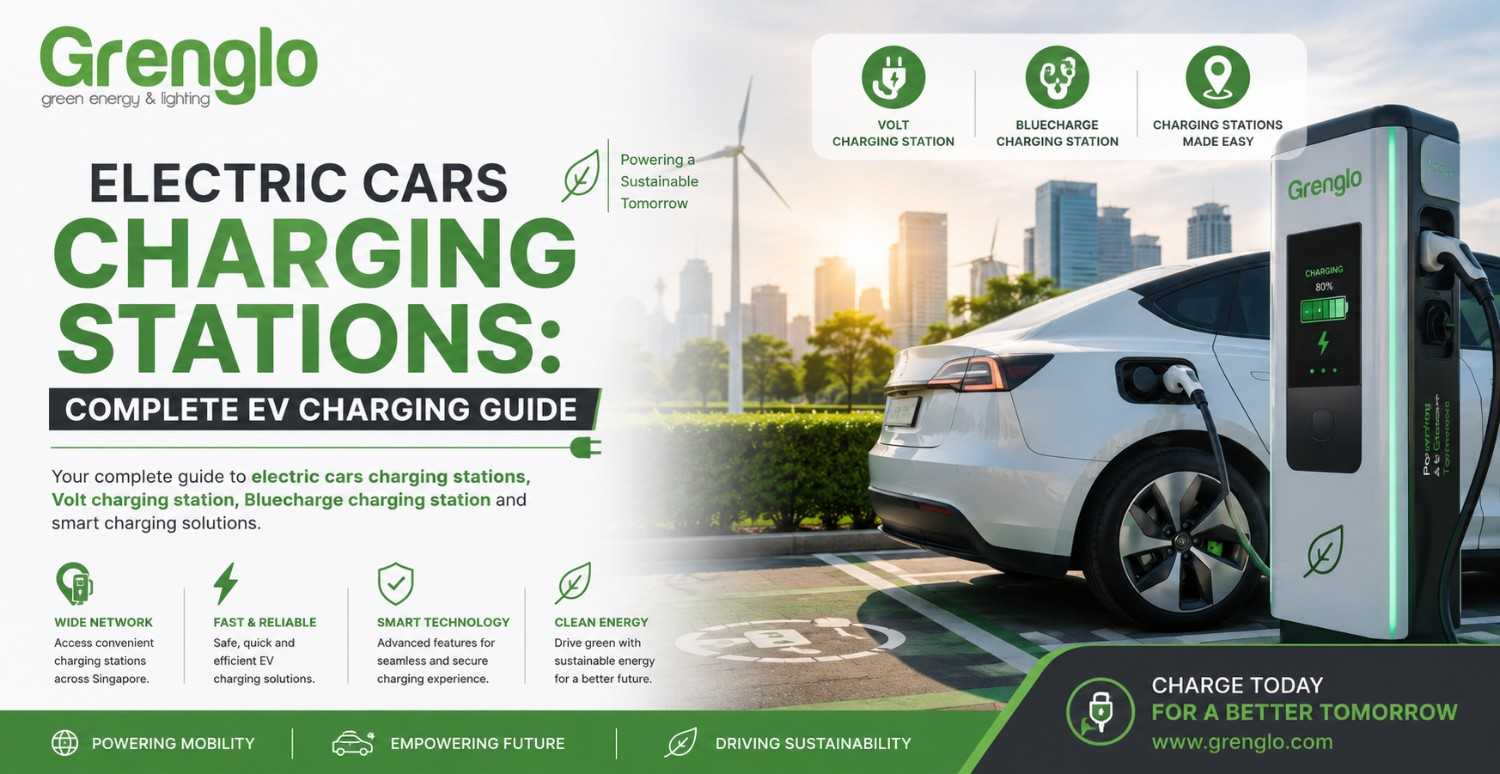
Electric vehicles (EVs) are no longer a futuristic concept; they are part of our present reality. With an increase in the number of EVs on the road, the need for reliable and efficient charging stations has also grown. EV charging stations are facilities that allow electric vehicles to recharge their batteries. Unlike traditional gasoline stations, EV charging stations vary in terms of charging speed and capacity, making it essential for EV owners to understand their options.
EV Charging stations can be found in various locations, such as public parking lots, shopping centers, and residential areas. They are typically categorized into three major types based on the speed and method of charging: Level 1, Level 2, and DC Fast Charging (or Level 3). Each type of charging station offers different benefits and is suited for different needs. For EV owners in Singapore, finding the right charging station is crucial for maintaining the efficiency and longevity of their vehicles.
Understanding the intricacies of EV charging stations can help you make informed decisions about where and how to charge your vehicle. This knowledge not only ensures that your EV remains powered but also contributes to the overall environmental benefits that come from driving electric. With the right charging infrastructure in place, the transition to electric cars charging stations can be a smooth and rewarding experience.
Types of EV Charging Stations
The three main types of EV charging stations, as mentioned earlier, are Level 1, Level 2, and DC Fast Charging. Each of these types has its own set of characteristics, advantages, and ideal use cases. Understanding these differences can help you choose the best charging option for your needs.
Level 1 charging stations are the most basic form of EV charging. They use a standard 120-volt household outlet and typically provide around 2 to 5 miles of range per hour of charging. While Level 1 chargers are convenient because they can be used almost anywhere, they are also the slowest option. These chargers are best suited for overnight charging at home, where the vehicle can be left to charge for an extended period.
Level 2 charging stations are more powerful and use a 240-volt outlet, similar to what is used for large appliances like dryers. They provide around 10 to 60 miles of range per hour of charging, making them a much faster option than Level 1 chargers. Level 2 chargers are commonly found in public places such as shopping centers and office buildings, as well as in residential settings. They strike a good balance between charging speed and convenience, making them a popular choice for many EV owners.
DC Fast Charging stations, also known as Level 3 chargers, are the fastest option available. They use direct current (DC) instead of alternating current (AC) and can provide up to 100 miles of range in just 20 to 30 minutes. These chargers are ideal for long-distance travel or when you need a quick charge on the go. However, they are also the most expensive to install and maintain, so they are typically found at dedicated charging stations rather than in residential areas.
How to Choose the Right Charging Station
Choosing the right EV charging station depends on several factors, including your driving habits, the type of electric vehicle you own, and your access to charging infrastructure. By considering these factors, you can select a charging station that meets your needs and ensures your vehicle remains ready for the road.
One of the first things to consider is your daily driving distance. If you primarily use your EV for short commutes and errands, a Level 1 charger may be sufficient. However, if you have a longer daily commute or frequently take road trips, a Level 2 or DC Fast Charger may be a better fit. Understanding your driving habits can help you determine the level of charging speed you need.
Another important factor is the compatibility of the volt charging station with your vehicle. Not all EVs can use all types of chargers, so it’s crucial to check your vehicle’s specifications before making a decision. For example, some electric cars charging stations are not compatible with DC Fast Charging, while others may require a specific type of connector. Ensuring compatibility can prevent potential issues and make the charging process smoother.
Finally, consider your access to charging infrastructure. If you live in a densely populated area with many public charging stations, you may not need a high-speed charger at home. Conversely, if you live in a more remote area, having a reliable home volt charging station becomes more critical. Additionally, consider any available incentives or rebates for installing a home charging station, as these can significantly reduce the cost.
Charging Time: What to Expect
One of the most common questions new EV owners have is, “How long does it take to charge my car?” The answer depends on several factors, including the type of charger, the battery capacity of the vehicle, and the current state of charge. Understanding these variables can help set realistic expectations and ensure you’re never caught off guard by a low battery.
Level 1 chargers, being the slowest, typically take the longest time to charge an electric vehicle. For example, a vehicle with a 60 kWh battery may take up to 24 hours to charge fully using a Level 1 charger. While this may seem like a long time, it’s important to remember that Level 1 chargers are often used for overnight charging, when the vehicle is not in use.
Level 2 chargers offer a significant improvement in charging time. Depending on the vehicle and the charger, you can expect to gain around 10 to 60 miles of range per hour of charging. This means that a full charge for a 60 kWh battery could take anywhere from 4 to 10 hours. Level 2 chargers are ideal for home use, as well as for topping up your battery while you’re at work or shopping.
DC Fast Chargers are the quickest option, capable of charging a vehicle to 80% in as little as 30 minutes. However, the charging speed can taper off as the battery approaches full capacity, so the last 20% of the charge may take longer. DC Fast Chargers are particularly useful for long-distance travel or when you need a quick boost to get you to your destination.
Costs Associated with Charging Electric Cars
One of the significant advantages of electric vehicles is the potential for cost savings, especially when it comes to fuel. However, it’s essential to understand the costs associated with charging your EV to make an informed decision. These costs can vary based on the type of charger, the price of electricity in your area, and any additional fees associated with public charging stations.
Charging your EV at home is generally the most cost-effective option. The cost of electricity is typically lower than the price of gasoline, and many utility companies offer special rates for EV charging. To calculate the cost of charging at home, you can multiply the cost per kilowatt-hour (kWh) by the total capacity of your vehicle’s battery. For example, if your electricity rate is $0.13 per kWh and you have a 60 kWh battery, a full charge would cost around $7.80.
Public charging stations can vary widely in terms of cost. Some stations offer free charging as a perk for customers, while others may charge by the hour, by the kWh, or even a flat fee. It’s essential to check the pricing structure before using a public charger to avoid any unexpected costs. Additionally, some charging networks offer subscription plans that can provide lower rates for frequent users.
DC Fast volt charging station are generally the most expensive option, but they offer the convenience of rapid charging. These stations may charge a premium for the speed and convenience they provide. It’s also worth noting that frequent use of DC Fast Charging can impact the long-term health of your vehicle’s battery, potentially leading to higher maintenance costs down the line.
The Future of EV Charging Infrastructure
As the adoption of electric vehicles continues to grow, the future of EV charging infrastructure looks promising. Innovations in technology, increased investment, and supportive government policies are all contributing to a more robust and accessible charging network. These developments are making it easier and more convenient for EV owners to keep their vehicles charged and ready for the road.
One of the most exciting advancements in EV charging technology is the development of ultra-fast charging stations. These chargers can provide a significant amount of range in just a few minutes, making them comparable to the refueling times of traditional gasoline vehicles. Companies like Tesla and Electrify America are already rolling out these ultra-fast chargers, and more are expected to follow suit.
Wireless charging is another promising technology that could revolutionize the EV charging experience bluecharge charging station. With wireless charging, EV owners can simply park their vehicle over a charging pad, and the battery will begin to charge automatically. This technology is still in the early stages of development, but it has the potential to eliminate the need for physical connectors and make charging even more convenient.
Government support and investment are also playing a crucial role in the expansion of EV charging infrastructure. Many countries are implementing policies and incentives to encourage the installation of more charging stations, both in urban and rural areas. This increased accessibility will make it easier for EV owners to find charging stations, reducing range anxiety and promoting the widespread adoption of electric vehicles.
Government Incentives and Rebates for Charging Stations
Government incentives and rebates can significantly reduce the cost of installing EV charging stations, making it more affordable for individuals and businesses to invest in this essential infrastructure. These incentives vary by region and can include tax credits, grants, and rebates for both residential and commercial installations.
In Singapore, the government has introduced several initiatives to promote the adoption of electric vehicles and the development of charging infrastructure. One such initiative is the Electric Vehicle Common Charger Grant (ECCG), which provides funding for the installation of shared charging stations in non-landed private residences. This grant covers up to 50% of the installation costs, making it easier for condominium residents to access EV charging.
Additionally, the Land Transport Authority (LTA) offers incentives for the installation of EV charging points in public car parks. These incentives aim to increase the number of charging stations available to the general public, making it more convenient for EV owners to charge their vehicles while on the go. The LTA also collaborates with private companies to expand the charging network in commercial areas, such as shopping centers and office buildings.
Businesses can also benefit from government incentives for installing EV charging stations. These incentives can help offset the initial costs and provide a competitive advantage by attracting environmentally conscious customers and employees. By taking advantage of these incentives, businesses can contribute to the growth of the EV charging infrastructure and support the transition to a more sustainable future.
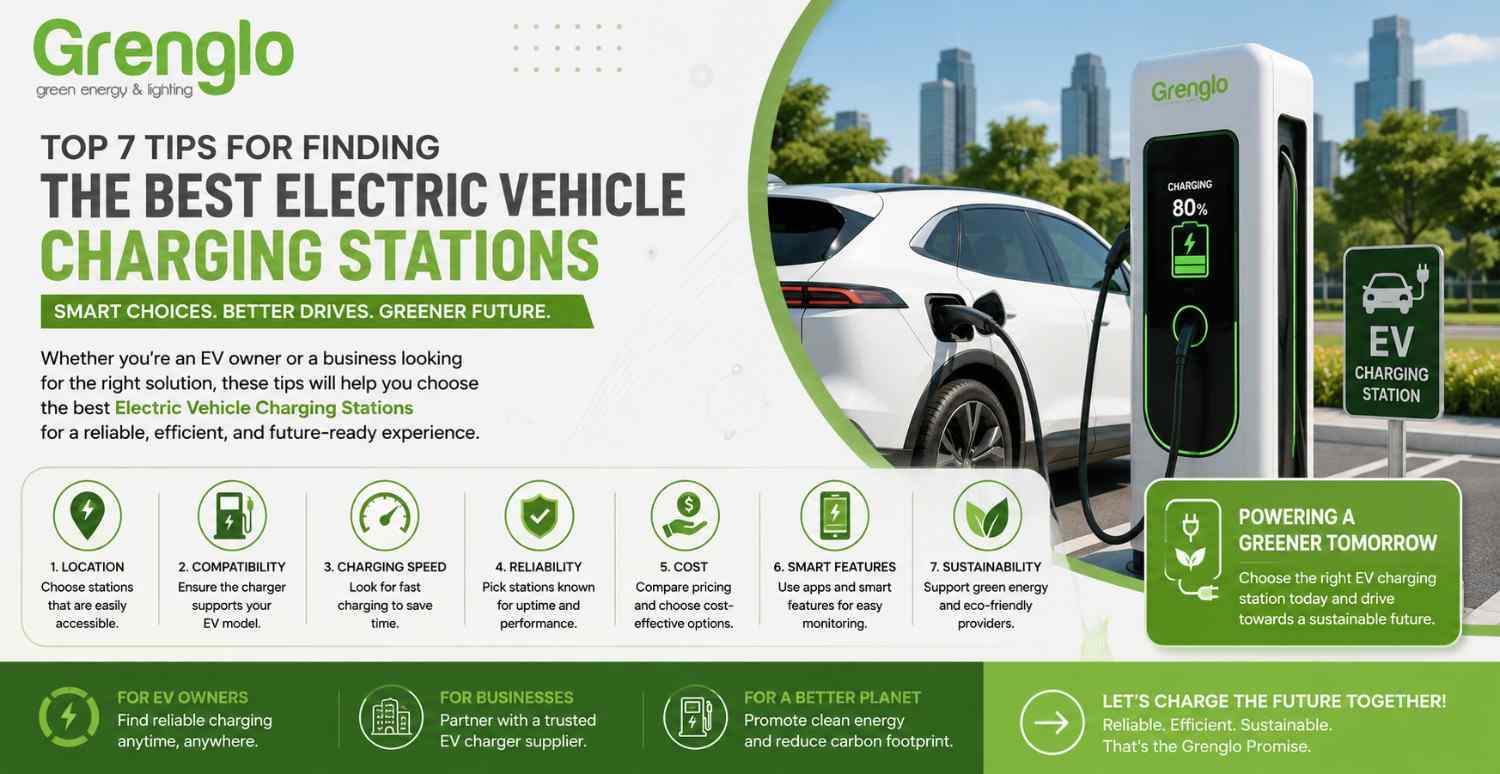
Tips for Finding Charging Stations on the Go
Finding a charging station while on the go can sometimes be challenging, but with the right tools and strategies, it can become a seamless part of your driving experience. Here are some tips to help you locate charging stations and ensure you never run out of power.
One of the most effective ways to find charging stations is by using smartphone apps dedicated to EV charging. Apps like PlugShare, ChargePoint, and Electrify America provide real-time information on the location, availability, and pricing of charging stations. These apps often include user reviews and ratings, helping you choose the best charging option for your needs.
Another useful tool is the navigation system in your electric vehicle. Many modern EVs come equipped with built-in navigation systems that can locate nearby charging stations and provide directions. These systems often integrate with popular charging networks, allowing you to see the status of chargers and even start a charging session directly from your car’s interface.
Planning your route in advance can also help ensure you have access to charging stations when you need them. Before embarking on a long trip, take the time to map out your route and identify charging stations along the way. This can help you avoid any potential issues and make your journey more enjoyable. Additionally, consider keeping a list of backup charging stations in case your first choice is unavailable or occupied.
Conclusion: Embracing the Electric Future
The transition to electric cars charging stations and bluecharge charging station represents a significant shift in the way we think about transportation and energy consumption. By understanding the various types of EV charging stations, choosing the right charger for your needs, and taking advantage of government incentives, you can make the most of your electric vehicle experience. The future of EV charging infrastructure looks bright, with innovations in technology and increased investment making it easier and more convenient to charge your vehicle.
As more people embrace electric cars charging stations, the demand for reliable and efficient charging stations will continue to grow. By staying informed and proactive, you can ensure that your EV remains powered and ready for the road. Whether you’re charging at home, at work, or on the go, the key to a successful EV experience is understanding your options and making informed decisions.
In conclusion, electric vehicles and their charging infrastructure are an essential part of our journey towards a more sustainable future. By embracing this technology and supporting the growth of the charging network, we can reduce our reliance on fossil fuels, decrease our carbon footprint, and create a cleaner, greener world for future generations. So, charge up, hit the road, and enjoy the electric future.