Coordinating supply across Southeast Asia from Singaporesales@grenglo.com

Sheet E-04 · commercial & industrial lighting

Industrial LED Lighting, High Bays & Harsh-Environment Luminaires

Engineering-led sourcing for warehouses, industrial yards, plant rooms and classified areas. Compare delivered lumens, photometry, IP/IK, controls and required safety or hazardous-area certificates before approving luminaires.

Product sourcing

Luminaire performance begins with photometry and environment.

Typical requirements

  • High-bay and LED floodlights selected by photometry
  • Weatherproof batten fittings and industrial linear lighting
  • Driver voltage, control interface, CCT/CRI and ambient ratings
  • Hazardous-area Ex luminaire or signalling selection when specified

Include in your RFQ

  • Lux plan, IES/LDT files and mounting geometry
  • Delivered lumens, power, CCT/CRI and beam distribution
  • IP/IK, ambient temperature, corrosion and Ex requirements
  • Fixture schedule, controls, certificates and delivery
Product families

Five lighting applications and luminaire families

Evaluate lighting by delivered lumens, photometric distribution, environment, controls, safety and approved project lux levels. Typical ratings differ by exact luminaire; the selection parameters below are not stock promises.

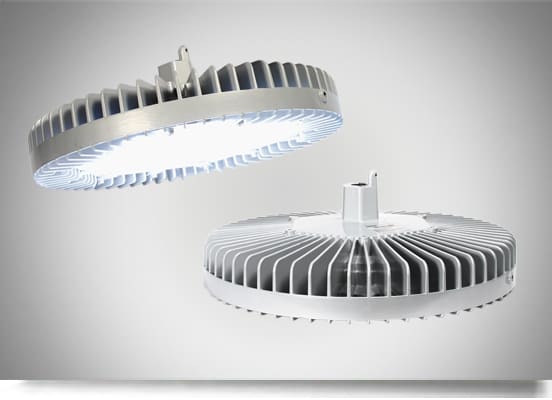
Industrial LED high-bay luminairesE-04.1

Industrial LED high-bay luminaires

Suspended or bracket-mounted luminaires designed for high ceilings in warehouses and factories; the luminaire's actual optics determine task-plane illumination.

  • Delivered lumens and efficacy
  • Beam angle and IES/LDT photometry
  • CCT / CRI / glare
  • Ambient temperature and lifetime declaration
  • Control and mounting accessories
ApplicationsLogistics warehouses, production halls, tall retail/industrial interiors.
StandardsIEC 60598-1 general luminaire safety; relevant Part 2
Put in your RFQMounting height and schedule; target lux/uniformity; IES; lumens; CCT/CRI; voltage; mounting type.
Selection guide

Specify mounting height, target maintained lux, luminaire delivered lumens, efficacy (lm/W), beam distribution, CCT (K), CRI, ambient temperature, driver, IP/IK, controls and verified IES/LDT files.
Ask about this →
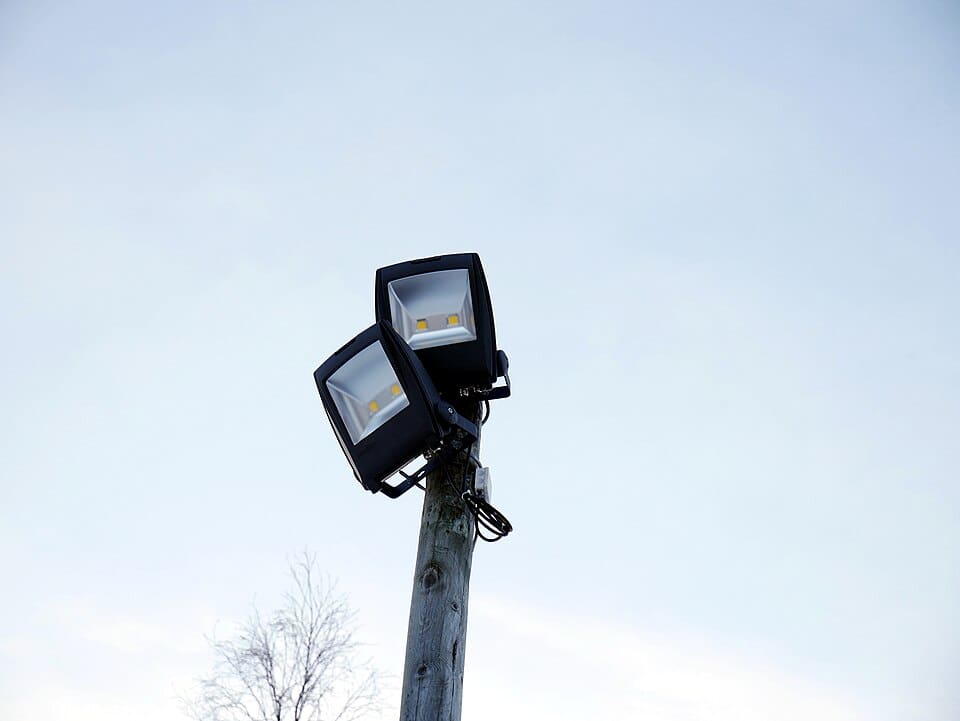
Industrial and outdoor LED floodlightsE-04.2

Industrial and outdoor LED floodlights

Directional project luminaires requiring beam distribution, aiming, ingress protection and corrosion considerations.

  • Narrow/wide/asymmetric beam optics
  • Ambient/IP/IK and corrosion
  • Photometric files and aiming plan
  • Driver/surge protection
  • Bracket and vibration loads
ApplicationsOutdoor yards, loading areas, building facades and industrial floodlighting.
StandardsIEC 60598-1 and applicable floodlight requirements
Put in your RFQFixture wattage/lumens, IES, beam optic, mounting height, environment, supply voltage, quantity.
Selection guide

Provide aiming angle, mounting/column height, beam spread, maintained lux target, glare control, IP/IK, surge conditions, thermal environment and support loads. Require photometric IES or LDT data for calculations.

Ask about this →
Weatherproof LED batten fixturesE-04.3

Weatherproof LED batten fixtures

Sealed linear-style luminaires for utility areas and damp/dust-prone spaces; installation and material affect service performance.

  • Nominal length and lumen package
  • IP and IK of complete fitting
  • Diffuser material and cleaning regime
  • Emergency/through wiring if required
  • Ambient temperatures
ApplicationsPlant rooms, loading bays, car parks and utility corridors.
StandardsIEC 60598-1 and applicable Part 2
Put in your RFQNominal length; lux target; IP/IK; emergency provision; control; colour temperature; mounting.
Selection guide

Specify length, luminous flux, IP/IK, diffuser material, operating ambient, supply voltage, emergency battery/through wiring if applicable and fixing arrangements. Confirm the rated entire luminaire rather than assuming sealing from its enclosure appearance.

Ask about this →
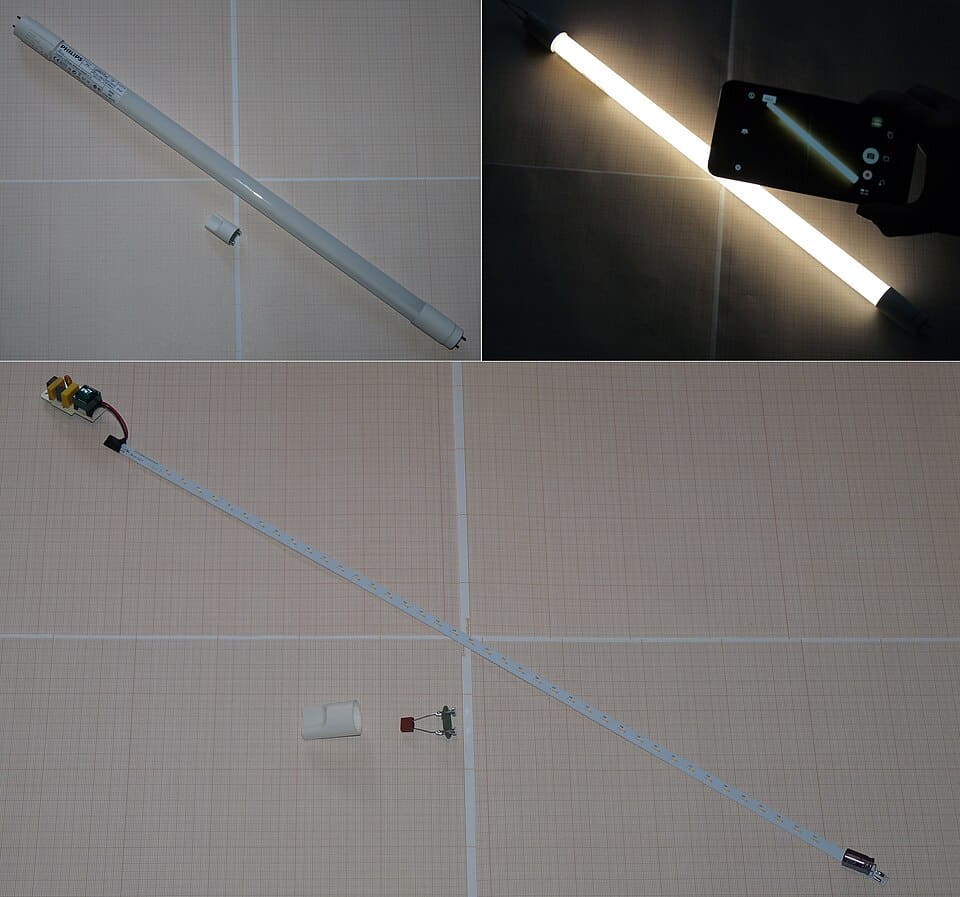
Industrial linear LED lighting and retrofit tubesE-04.4

Industrial linear LED lighting and retrofit tubes

Linear industrial fixtures and retrofit lamps with distinct thermal and wiring requirements; LED tubes are not a direct substitute for every fluorescent luminaire.

  • Complete fitting versus T8 LED lamp
  • Base/ballast or bypass compatibility
  • Rated lumen/CCT/CRI
  • Safety wiring instructions
  • Dimming, mounting and accessories
ApplicationsWorkshops, manufacturing lines, service rooms and selected fluorescent retrofits.
StandardsIEC 60598 safety requirements; relevant replacement standards
Put in your RFQComplete fixture or retrofit lamp; length/base; supply wiring; optical data; emergency/controls.
Selection guide

Specify whether the request is a complete industrial luminaire or a retrofit T8 LED tube. Confirm lamp holder, ballast/bypass wiring, driver and mains feed, lumens, optics, colour, dimming and installer-approved electrical modifications.

Ask about this →
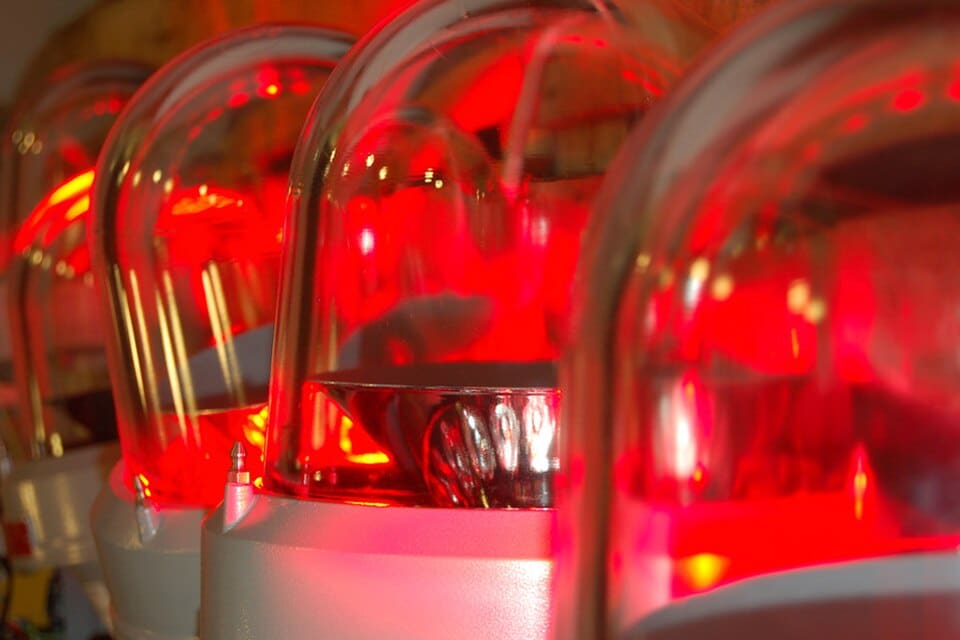
Hazardous-area lighting and Ex signalling devicesE-04.5

Hazardous-area lighting and Ex signalling devices

Equipment for classified explosive atmospheres cannot be selected from a generic IP rating; the zone, gas/dust group and temperature class must be established.

  • Hazardous area Zone & EPL
  • Ex certificate and marking
  • Temperature class and gas/dust group
  • Ambient and IP rating
  • Gland/entry and mounting approvals
ApplicationsOil/chemical operations, process areas and hazardous industrial alarm/signalling points when engineered.
StandardsIEC 60079 series where applicable; IEC 60598 for luminaires
Put in your RFQCertified Ex marking, zone, gas/dust group, T class, ambient temperature, intended fixture or beacon type, approved datasheet.
Selection guide

Confirm hazardous-area classification (gas zones 0/1/2, dust zones 20/21/22 where applicable), equipment protection level, Ex marking, temperature code, ambient range, cable entry and local approvals. Signal beacons and illumination luminaires are distinct product subtypes.

Ask about this →

Grenglo handles specified commercial and industrial lighting enquiries, including product replacements and project BOQs. Lighting design, photometric verification and hazardous-area approvals must be provided by qualified specialists.

Engineering buyer guide

Selection criteria that matter

An engineering-led RFQ starts with the lighting calculation, luminaires schedule and the installed operating environment. Request delivered lumens, full photometry, driver/current/voltage details, IP/IK, IEC test reports and controls. Do not market an Ex beacon as a general high-bay luminaire.

FactorSpecification to sendTechnical note
Application/photometryLuminaire type, mount height, lux target, beam distribution and IESLighting design requires maintained illuminance, glare and uniformity, not wattage alone.
EfficiencyDelivered lumens and system input power (lm/W)Compare whole luminaire efficacy, not individual chip claims.
Visual qualityCCT, CRI, glare and colour consistencyDifferent tasks need different visual criteria.
Outdoor/industrial exposureIP, IK, corrosion, ambient temperature and driver lifetimeIngress rating does not cover all environmental hazards.
Controls and emergencyDALI, 0–10V, sensors, emergency lighting, driver compatibilityConfirm exact control/wiring topology.
Hazardous areaZone, EPL, Ex type, temperature class, gas/dust groupA weatherproof fitting is not automatically explosion-protected.
Product documentsIEC/EN declaration, IES/LDT, test certificates and warranty termsManufacturer-specific verification is required for a real quote.
Installed layoutQuantity, positions, aiming, mounting loads and delivery stagingThe final lux performance depends on design and installation.
Engineering FAQs

Frequently asked questions

How many LED high-bay lights are needed for a warehouse?

A correct quantity follows a photometric calculation using room dimensions, reflectance, mounting height, lumen distribution, target maintained lux, uniformity and maintenance factor.

Can a 150 W fixture replace a 200 W fixture?

Potentially, but the answer depends on delivered lumens, photometry, mounting geometry, glare, temperature and the validated lighting design.

What is the difference between IP65 and hazardous-area approval?

IP describes defined dust/water ingress protection. Explosion protection is a separate equipment marking and certification regime for the classified zone.

Can an LED tube be installed in any existing fluorescent fitting?

No. Lamp holder and ballast/bypass wiring vary; follow the retrofit manufacturer's wiring and safety instructions and use qualified installers.

What is CRI and why should procurement care?

Colour Rendering Index indicates colour appearance compared with a reference; some inspection or production environments require specific colour fidelity.

What should be sent for a project luminaire RFQ?

Fixture schedule, IES/LDT, power voltage, lux targets, mounting details, environment, IP/IK, dimming controls and exact approved manufacturers or equivalents.

Need something not listed here?

These families are a starting point, not a full catalogue. Send the manufacturer part number, a nameplate photo or your schedule and we will check the supply route.