The world of electric vehicles (EVs) introduces a new lexicon of terminology, particularly when it comes to charging. Understanding the different types of charging available is the first step to mastering electric vehicle ownership. Generally, EV charging falls into three categories: Level 1, Level 2, and DC Fast Charging. Each type of charging offers varying speeds and conveniences, tailored to different needs and situations.
Level 1 charging is the most basic form, utilizing a standard 120-volt household outlet. While this method is incredibly convenient because it requires no additional installation, it is also the slowest. On average, Level 1 charging adds about 4 to 5 miles of range per hour, making it ideal for overnight charging or for those who drive short distances daily. Level 1 chargers often come included with the purchase of an electric vehicle, making them an accessible starting point for new EV owners.
Level 2 charging, on the other hand, requires a 240-volt outlet, similar to what is used for electric dryers and ovens. These chargers are typically installed at home or found in public charging stations. They significantly reduce charging times, adding around 25-30 miles of range per hour. This level is perfect for daily commutes and longer trips if you can find a public station. Finally, DC Fast Charging is the fastest option available, providing up to 80% charge in about 30 minutes. These chargers are usually located along highways and are perfect for long-distance travel. However, not all EVs are compatible with DC Fast Chargers, so it’s crucial to check your vehicle’s specifications.
Importance of Location in Charging Station Selection
The convenience of charging your electric vehicle is heavily influenced by the location of charging stations. Strategic placement of these stations can significantly enhance your driving experience, minimizing downtime and ensuring that you have enough range for your daily needs. When selecting a charging station, consider its proximity to your home, workplace, and frequently visited locations. This will ensure that you can charge your vehicle as part of your regular routine without making significant detours.
Charging stations are increasingly being installed in areas where people tend to spend a considerable amount of time, such as shopping malls, restaurants, and recreational areas. This not only makes it convenient to charge your vehicle while you go about your day but also turns charging into a seamless part of your lifestyle. For instance, charging your car while you shop for groceries or dine out ensures that you’re making the most of your time, turning what could be a tedious wait into a productive activity.
Another critical aspect of location is the availability of charging stations along your travel routes, especially for long-distance trips. Using mapping tools and apps, you can plan your journey to include stops at charging stations. This ensures that you never run out of power in remote areas. Additionally, look for stations that offer amenities like restrooms, Wi-Fi, and food services, making your charging stops more comfortable and enjoyable.
Utilizing Charging Station Apps and Websites
In the digital age, finding the best electric vehicle charging stations is easier than ever, thanks to a variety of apps and websites designed to help you locate, evaluate, and navigate to charging points. These tools are indispensable for any EV owner, providing real-time information on station availability, type of chargers, pricing, and user reviews. Some of the most popular apps include PlugShare, ChargePoint, and Electrify America, each offering unique features to enhance your charging experience.
PlugShare, for instance, is a crowd-sourced app that not only shows charging station locations but also includes user-generated reviews and photos. This can be incredibly helpful when trying to decide between multiple stations, as you can read about other users’ experiences and see pictures of the station’s layout. ChargePoint, on the other hand, operates its own network of charging stations and offers a seamless experience with its app, allowing you to start, stop, and monitor your charging session directly from your smartphone. Electrify America focuses on providing high-speed charging solutions and its app offers detailed information on station locations, charger types, and pricing.
These apps also offer route planning features that can help you map out long-distance trips with charging stops along the way. This ensures that you have a clear understanding of where and when you’ll need to charge, reducing the risk of running out of power. Additionally, many of these apps offer notifications and alerts, keeping you informed about your charging status and any issues that may arise. This level of convenience and information makes navigating the world of EV charging much more manageable and stress-free.
Evaluating Charging Speed and Availability
When it comes to charging your electric vehicle, speed and availability are two of the most critical factors to consider. The charging speed determines how quickly you can get back on the road, while availability ensures that a charger will be free when you need it. Both elements play a crucial role in minimizing downtime and maximizing the convenience of owning an EV.
Charging speed varies significantly between Level 1, Level 2, and DC Fast Chargers. As mentioned earlier, Level 1 chargers are the slowest but are widely available since they use standard household outlets. Level 2 chargers offer a good balance between speed and accessibility, adding around 25-30 miles of range per hour. DC Fast Chargers are the quickest, providing up to 80% charge in about 30 minutes, but they are less common and may not be compatible with all vehicles. Understanding these differences can help you choose the right type of charger for your needs.
Availability is another critical factor, especially in areas with a high concentration of EVs. Nothing is more frustrating than arriving at a charging station only to find all the chargers occupied. This is where charging station apps and websites can be particularly useful, as they often provide real-time information on charger availability. Some apps even allow you to reserve a charging spot in advance, ensuring that you have a charger waiting for you when you arrive. Additionally, consider the number of chargers at a given station and how frequently they are used. Stations with multiple chargers and lower traffic are generally more reliable options.
Checking for Compatibility with Your Electric Vehicle
Not all charging stations are created equal, and not all are compatible with every electric vehicle. Ensuring that a charging station is compatible with your specific EV model is crucial for a seamless charging experience. Different EVs use different types of connectors and charging protocols, so it’s essential to know your vehicle’s requirements and find stations that meet those needs.
Most electric vehicles use either the J1772 connector for Level 1 and Level 2 charging or the CCS (Combined Charging System) connector for DC Fast Charging. However, some vehicles, like Tesla, use proprietary connectors but can still charge at other stations using adapters. Knowing the type of connector your vehicle requires will help you identify compatible charging stations and avoid any unpleasant surprises.
Beyond the physical connectors, it’s also important to consider the charging protocol your vehicle uses. For example, some EVs are capable of high-speed charging with DC Fast Chargers, while others may not support this feature. Additionally, some older EV models may not be compatible with newer, faster chargers. Always check your vehicle’s manual or consult with the manufacturer to understand its charging capabilities and limitations. This information will help you select the right stations and ensure you get the most efficient charge possible.
Considering Cost and Payment Options
Cost is a significant factor when it comes to charging your electric vehicle, and it’s essential to understand the various pricing models and payment options available. Charging costs can vary widely depending on the type of charger, the location, and the network operating the station. By understanding these variables, you can make informed decisions and manage your charging expenses effectively.
Many public charging stations offer different pricing models, including pay-per-use, subscription plans, and membership programs. Pay-per-use is straightforward, with fees based on the amount of electricity consumed or the time spent charging. Subscription plans often provide unlimited charging for a monthly fee, which can be cost-effective for frequent users. Membership programs may offer discounts, priority access, or other perks, making them worth considering if you regularly use a specific network’s stations.
Payment options also vary, with some stations accepting credit cards, mobile payments, or network-specific cards and apps. It’s essential to familiarize yourself with the payment methods accepted at the stations you plan to use. Some networks, like ChargePoint and Electrify America, offer their own cards or apps that streamline the payment process and may provide additional benefits. Understanding the costs and payment options associated with different charging stations will help you make the most economical choices and ensure a smooth charging experience.
Reading Reviews and Ratings from Other Users
One of the most valuable resources for finding the best electric vehicle charging stations is the collective wisdom of other EV owners. Reading reviews and ratings from other users can provide insights into the reliability, convenience, and overall experience of using a particular charging station. This information can be invaluable in helping you make informed decisions and avoid potential pitfalls.
User reviews often highlight important details that may not be immediately apparent from a station’s listing. For example, reviews can provide information on the station’s cleanliness, safety, and accessibility. They can also offer insights into the station’s reliability, such as how often chargers are out of order or how frequently the station is occupied. By reading reviews, you can get a sense of what to expect and choose stations that consistently receive positive feedback.
In addition to reviews, many charging station apps and websites include ratings that provide a quick snapshot of a station’s overall performance. These ratings are typically based on user feedback and can help you identify high-quality stations at a glance. When reading reviews and ratings, look for patterns and common themes that can give you a more comprehensive understanding of a station’s strengths and weaknesses. This information will help you make more informed choices and ensure a better charging experience.
Planning Your Route with Charging Stations in Mind
One of the most effective ways to ensure a smooth and stress-free electric vehicle journey is to plan your route with charging stations in mind. This is especially important for long-distance trips, where finding reliable charging stations along your route can make all the difference. By incorporating charging stops into your travel plans, you can avoid running out of power and ensure a more enjoyable journey.
Start by using charging station apps and websites to map out your route and identify charging stations along the way. Look for stations that offer the type of charger you need and have good reviews and ratings from other users. Consider the distance between charging stops and make sure there are enough stations within your vehicle’s range to ensure you never run out of power. It’s also a good idea to have backup options in case your preferred station is occupied or out of order.
In addition to planning your route, consider the timing of your charging stops. For example, you may want to plan to charge during meal breaks or overnight stays, so you can make the most of your time. Some apps even allow you to reserve charging spots in advance, ensuring that you have a charger waiting for you when you arrive. By planning your route with charging stations in mind, you can enjoy a more relaxed and efficient journey.
Future Trends in Electric Vehicle Charging Infrastructure
The electric vehicle charging landscape is continually evolving, with new technologies and innovations shaping the future of charging infrastructure. As the adoption of electric vehicles continues to grow, so too does the need for more efficient, accessible, and reliable charging solutions. Understanding these trends can help you stay ahead of the curve and make informed decisions about your EV charger supplier needs.
One of the most promising trends in EV charging is the development of ultra-fast chargers, capable of providing even quicker charging times than current DC Fast Chargers. These ultra-fast chargers can add hundreds of miles of range in just a few minutes, making long-distance travel more convenient and reducing the time spent waiting for a charge. As these chargers become more widely available, they will significantly enhance the overall EV ownership experience.
Another exciting development is the expansion of wireless charging technology. Wireless charging eliminates the need for physical connectors, making the charging process more convenient and user-friendly. This technology is still in its early stages, but it holds great potential for the future, particularly in urban environments where space is limited, and convenience is paramount. Additionally, advances in battery technology are expected to improve the efficiency and capacity of EV batteries, further reducing the need for frequent charging and enhancing the overall range of electric vehicles.
Conclusion and Final Thoughts on Charging Station Selection
Navigating the world of electric vehicle charging can be complex, but armed with the right information and tools, you can make informed decisions that enhance your EV ownership experience. From understanding the different types of chargers and the importance of location to utilizing apps and websites, evaluating speed and availability, and checking for compatibility, each step plays a crucial role in finding the best charging stations for your needs.
Considering cost and payment options, reading reviews and ratings from other users, and planning your route with charging stations in mind are all essential strategies for ensuring a smooth and efficient charging experience. Additionally, staying informed about future trends in EV charger supplier infrastructure can help you stay ahead of the curve and make the most of the latest technologies and innovations.
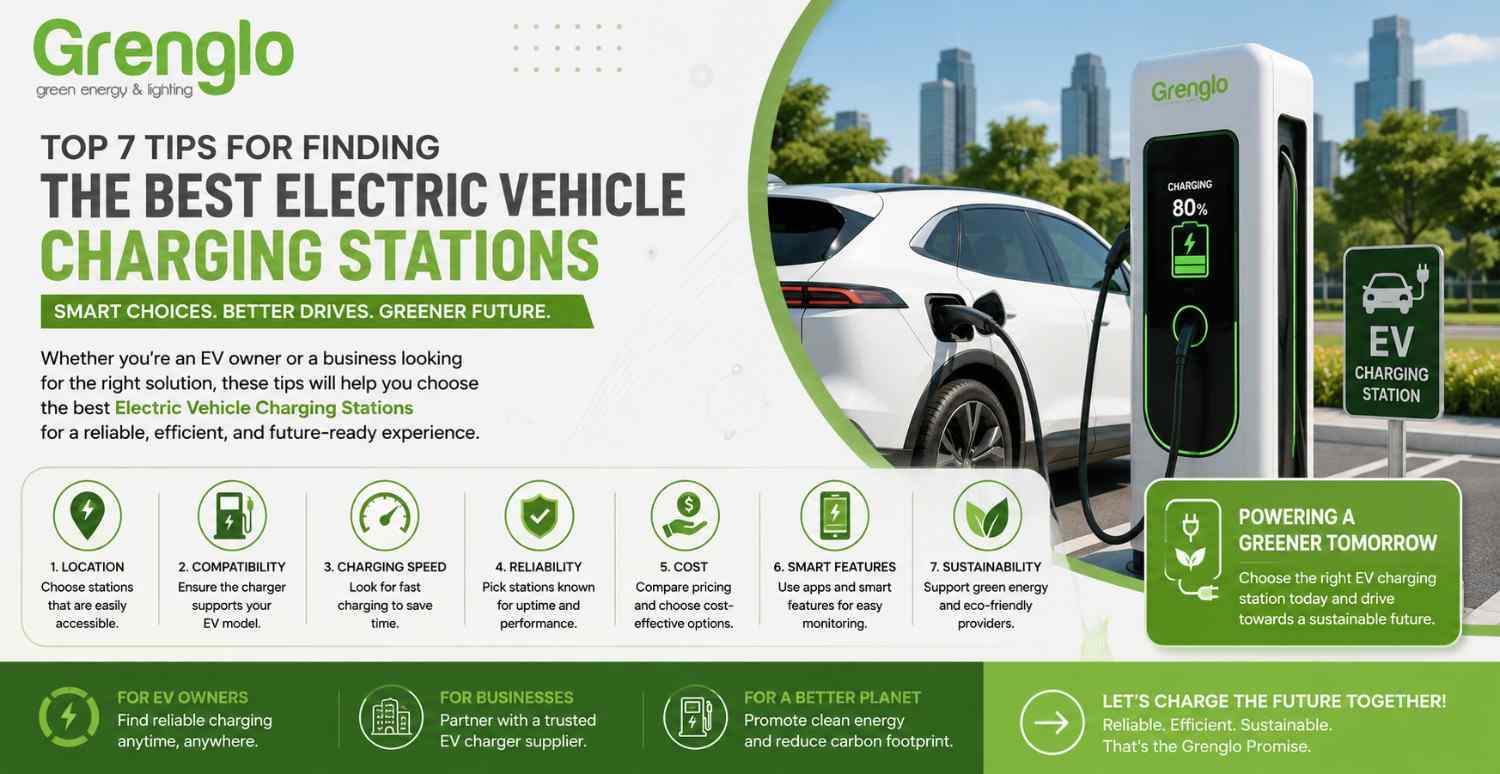
Ultimately, finding the best electric vehicle charging stations is about making charging as convenient and seamless as possible, allowing you to enjoy the many benefits of electric vehicle ownership. By following these top 7 tips, you can confidently navigate the world of EV charger supplier and make the most of your electric vehicle journey. Happy charging!